ServicesRoof Replacement
Roof Replacement in Fernandina Beach
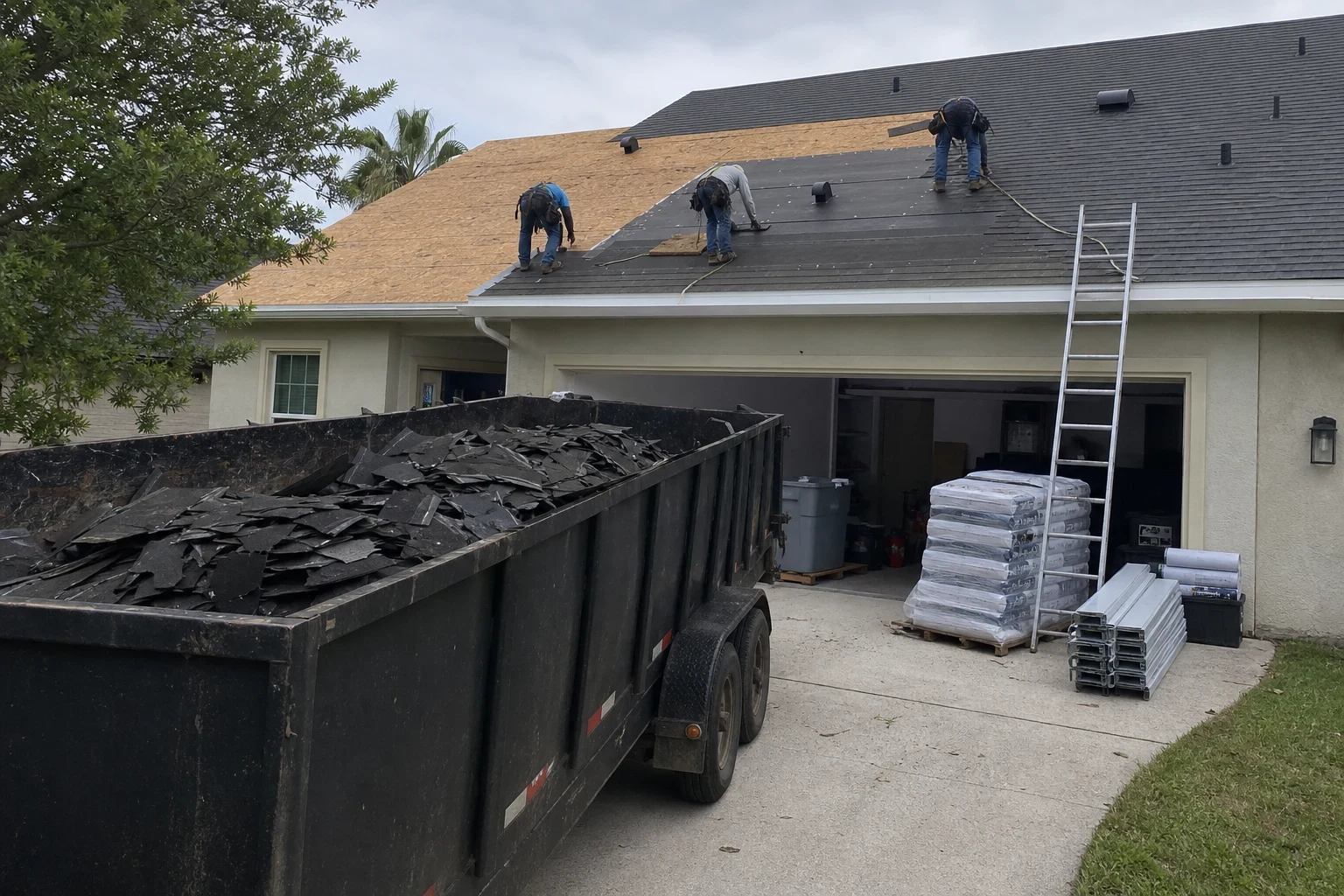
When a roof is past patching, we tear it down to the deck, fix what the old shingles were hiding and build a new system to current Florida wind code. We plan the work for the calmer months so your home is dried in before storm season arrives.
When Replacement Is the Right Call
A roof fails as a system, not one shingle at a time. Asphalt shingles shed their granules to UV, the exposed asphalt turns brittle and splits, and the factory adhesive line along each course loses its grip. Once that happens across a whole slope, wind gets under the edges and every repair just moves the next leak a few feet over.
We tell you plainly if your roof has reached that point. If targeted roof repair will buy you real years, we say so. If the decking is soft, the underlayment is brittle or the old fasteners are rusted through from salt air, a new roof is the cheaper choice over the next decade.
Timing matters as much as the decision. Hurricane season runs June through November, and summer afternoons bring thunderstorms that shorten tear-off windows. We aim to schedule replacements in late winter and spring, when crews can open a roof and close it the same day.
Everything in a Full Roof Replacement
- 01
Stripped down to the deck
Every old layer of shingles and underlayment comes off. Laying a new roof over the old one conceals rot, adds weight and seldom passes current code.
- 02
Deck repairs and fresh nailing
Soft or separating plywood is replaced, and the sheathing is fastened again with ring-shank nails wherever the Florida Building Code requires it. A solid deck is what keeps the roof in place when the wind picks up.
- 03
A second line of defense against water
Self-adhered underlayment or an approved taped-seam system covers the whole deck. Should a storm tear shingles away, this layer keeps rain out of the attic.
- 04
Fresh flashing and drip edge
We install new wall flashing, valley metal, pipe boots and drip edge rather than reusing the old pieces. Close to the coast we pick metal and fasteners that resist corrosion, since salt air destroys plain steel.
- 05
Attic airflow in balance
Soffit intake is sized to match ridge exhaust. A well-vented attic stays cooler, and shingles last longer when they are not heated from underneath.
- 06
Permit, inspections and a clean site
We obtain the reroof permit and book the required inspections. Each evening before leaving, the crew runs a magnetic sweeper over the yard and driveway to gather nails and debris.
Questions about Roof Replacement?
Call(904) 709-7261Signs Your Roof Needs Replacing
Granules in the gutters
Coarse, sand-like grit collecting in the gutters or washing out of a downspout is the ceramic coating coming off the shingles. Without it, sunlight hits the asphalt directly and dries it out within a few seasons.
Shingles lifting at the edges
Tabs that turn up at the corners, or dish down in the middle, have lost the oils that kept them flat. A tab that no longer lies down will catch the next strong gust and tear off.
Repeat leaks in new places
If you have patched more than one leak in a couple of years, the underlayment is likely failing across the roof, not in one spot.
Soft spots underfoot
A deck that flexes when walked on usually means rotted plywood. That needs to be cut out, and it cannot be fixed from above with shingles.
Stains on the attic sheathing
Dark rings or daylight around nails in the attic point to long-term water entry. By the time it shows on a ceiling, the wood has been wet for a while.
An insurer asking about roof age
Many Florida carriers look hard at older roofs at renewal. If yours has flagged it, a free estimate gives you real numbers to plan with.
How Your Replacement Day Runs
- 1
Inspection and written estimate
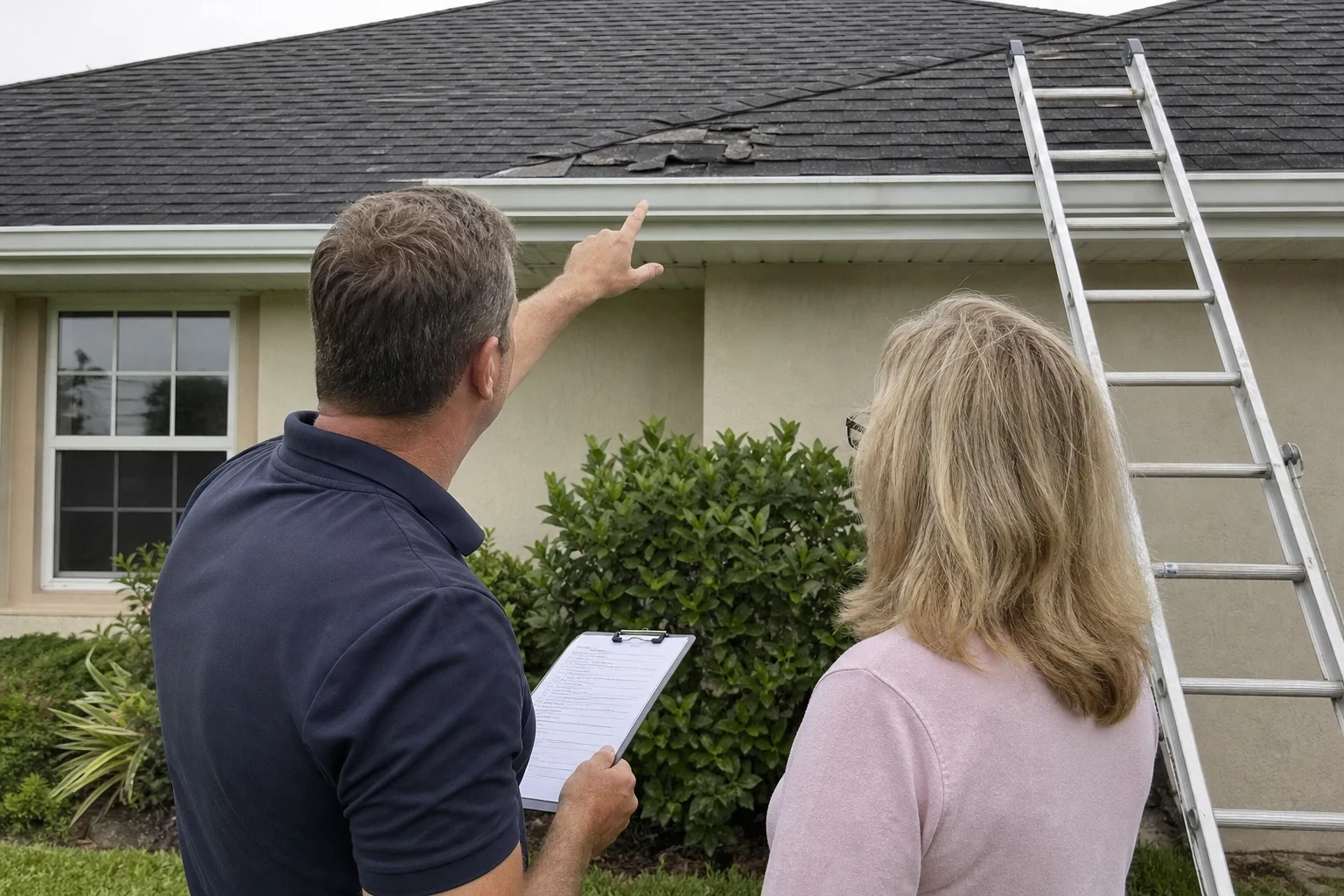
We walk the roof and check the attic, take photos of what we find and give you a line-item estimate. You see the material, the deck allowance and the permit costs before you decide.
- 2
Permit and scheduling
We file for the permit and pick a start date with a clear weather forecast. Materials are delivered a day or two ahead and set where they will not block your driveway.
- 3
Tear-off and dry-in
We protect landscaping with tarps, strip one section at a time and lay the water barrier before we move on. Nothing is left open overnight.
- 4
Shingles, flashing and ridge
Shingles go down with the manufacturer's high-wind nailing pattern, followed by flashing, boots and ridge vent. Most homes are finished in one to three working days.
- 5
Final inspection and walk-through
The building inspector signs off, and we walk you around the finished roof. You get photos of the deck and underlayment that are now covered up.
What Drives the Price of a New Roof
Your price comes from the squares we measure and the condition we see on the roof, so we quote after a visit, not over the phone. Tear-off, decking, underlayment, flashing and permit fees each get a separate line instead of one combined figure. Financing is available, and when storm damage is involved we deal directly with your insurance adjuster.
- Size and steepness
- The number of squares sets how much material we order. Steeper roofs take more safety setup and slow the work.
- State of the deck
- Any rotted or delaminated plywood we uncover during tear-off is priced by the sheet, and you see photos of it before we replace it.
- Shingles versus metal
- Architectural shingles and standing seam metal differ in starting price and in lifespan. Our Metal Roofing page goes through that choice in more depth.
- Old layers and roof features
- Additional old layers, plus dormers, valleys, skylights and chimneys, each add labor and flashing.
- Required code work
- Re-nailing the deck and installing the secondary water barrier are code requirements, not extras, and each appears as its own line on the estimate.
Roof Replacement Questions
Is a roof-over cheaper than a full tear-off?
Slightly, on the day, but we advise against it. A second layer hides soft decking, holds heat against the shingles and blocks us from re-nailing the deck and laying the water barrier the code expects. Tearing off costs more in labor and gives you a roof built correctly from the wood up.
What is the best time of year to replace a roof here?
Late winter through spring is ideal. Rain chances are lower, crews can open and close sections on predictable days, and your home is sealed before hurricane season starts in June. We still replace roofs in summer and fall, working around the afternoon storms.
Will a new roof help with my homeowners insurance?
Often it can, because roof age and wind-resistance features matter to Florida insurers. A new roof with a sealed deck and secondary water barrier can show up well on a wind mitigation inspection. We cannot promise a discount, but we give you the permit records and photos your agent may ask for.
Does someone have to stay at the house while you work?
It isn't required. We do ask that cars be moved out of the garage and driveway and that pets be kept indoors. Tear-off sends a lot of vibration through the framing, so take down pictures and shelf items on upper-floor walls. We touch base with you before leaving each day.
Should I go with shingles or metal?
It depends on your budget and how long you plan to stay. Architectural shingles cost less up front, while standing seam metal resists wind and salt air longer. We price both on your own roof so you can compare them side by side.
Get Your New Roof On Before the Storms
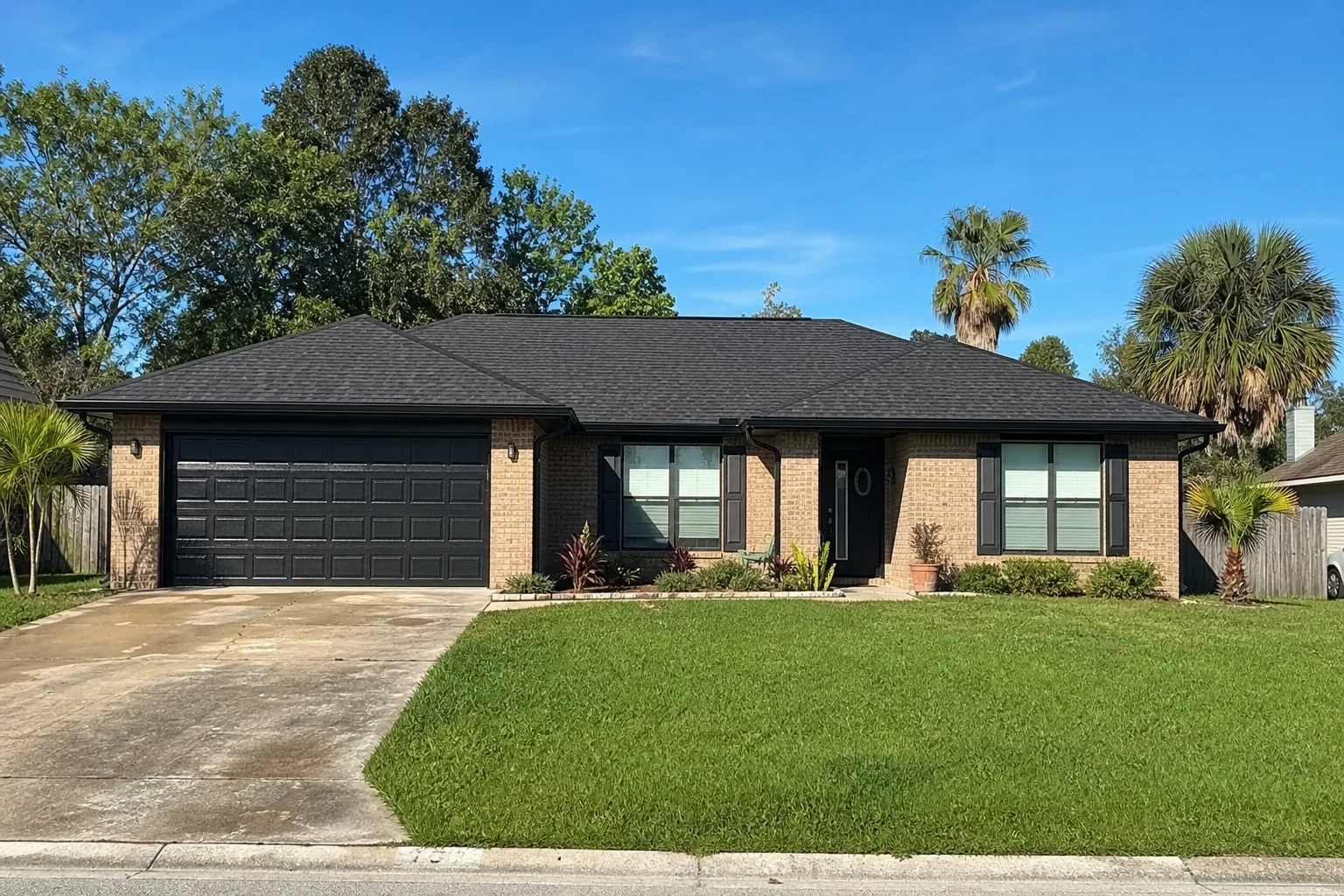
We will look at your roof, check the attic and give you an honest repair-or-replace answer with a written estimate. Planning now means picking your start date instead of waiting on the weather.