ServicesMetal Roofing
Metal Roofing in Fernandina Beach, Installed Ahead of Storm Season
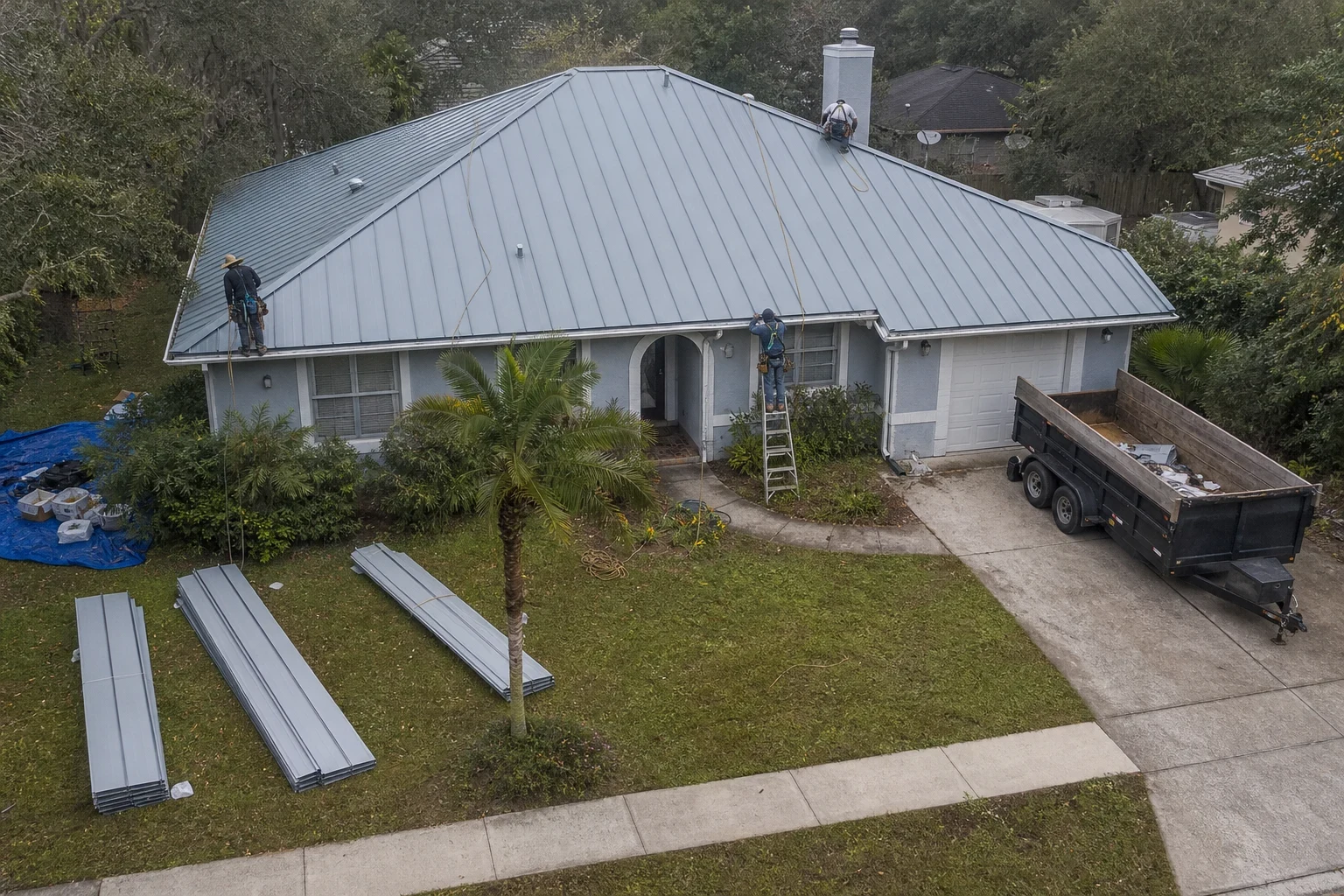
We install standing seam and exposed-fastener metal roofs with panels, fasteners and flashing chosen for salt air and high wind. We measure your roof, check the deck from the attic, and plan the tear-off for the drier months, so your home is ready before the weather turns.
How a Metal Roof Works and When to Choose One
A metal roof is made of steel or aluminum panels set over synthetic underlayment and fastened to the deck at intervals determined by the panel's wind rating. With standing seam, neighboring panels interlock at raised seams and are held by hidden clips, leaving no screw heads exposed. Fewer holes facing the sky means fewer entry points for blowing rain and fewer parts that loosen with time.
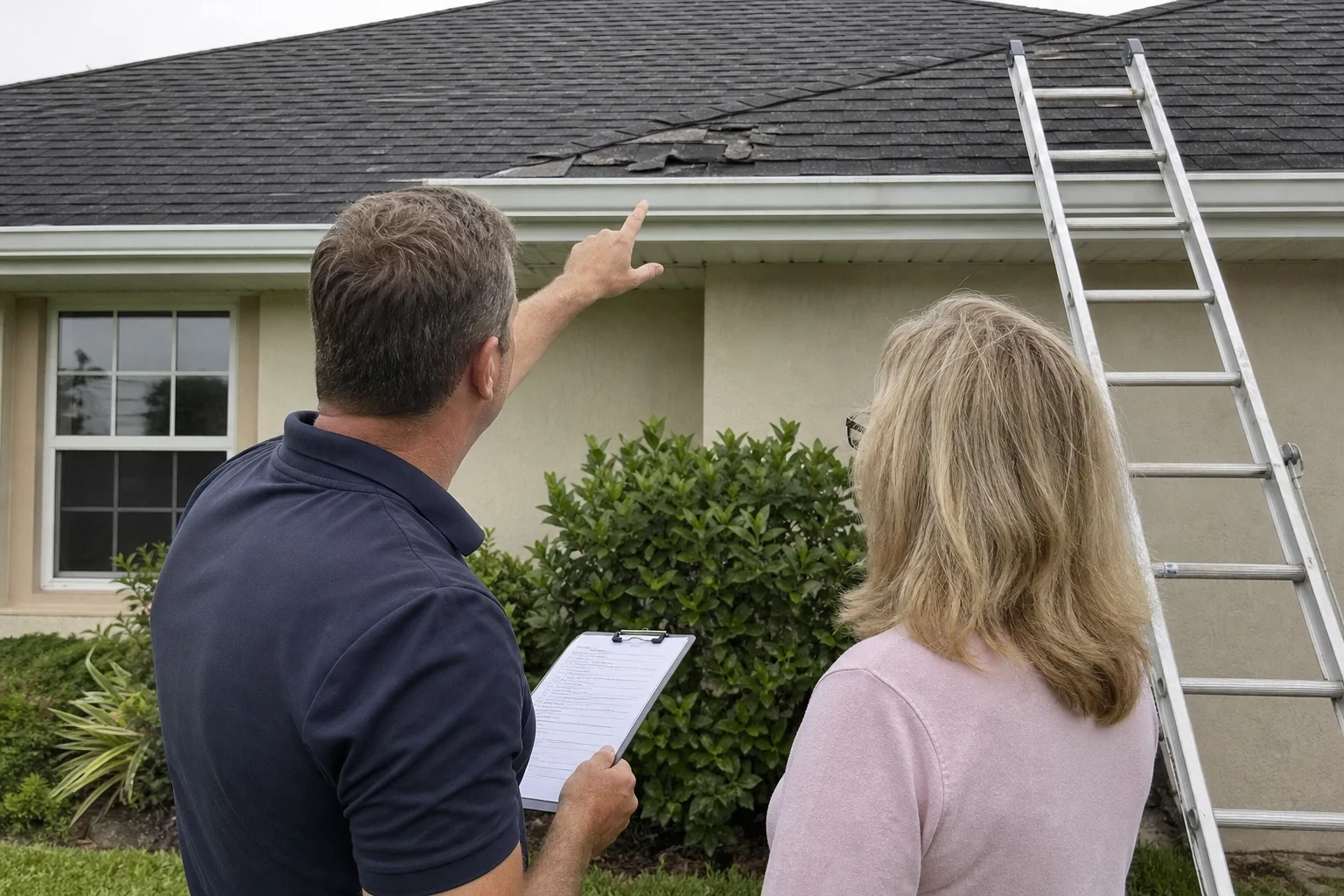
It makes sense when your shingles are close to worn out and you expect to stay in the house for years, or when you have had to replace blown-off shingles after several storms. If your roof still has life in it, a repair or an inspection may be the better choice for now, and we will say so directly.
Panels are normally made to length for each home, which takes time to order. Our goal is to have them ordered and the roof done before hurricane season begins in June.
What Our Metal Roof Installation Includes
- Tear-off and deck repair
- We strip the old roofing down to the plywood or plank deck. Soft, delaminated or rotted sheets get replaced, and the deck is re-nailed so the panel clips bite into solid wood.
- High-temperature underlayment
- Metal runs hot in full sun, and standard asphalt felt can soften and stick under it. We use a synthetic underlayment rated for the heat that sits under a metal roof.
- Coastal-grade metal and fasteners
- Salt spray attacks cut edges and scratches first. We walk you through aluminum versus Galvalume steel with a coastal-rated paint finish, and we match fasteners and clips to the panel metal so dissimilar metals do not corrode each other.
- Trim and flashing formed to match
- Ridge cap, eave and rake trim, valley flashing, wall flashing and pipe boots are made in the same metal and color. These edges are where most metal roof leaks start, so they get the most attention.
- Ridge ventilation
- We install a vented ridge with closure strips that let attic heat out while keeping wind-driven rain and insects from getting in under the cap.
- Reroof permit on file
- Filing the permit application is our job, and we book each visit the building department calls for. When the work passes, your new roof is documented on record.
Signs Your Home Is Ready for a Metal Roof
Shingles lost in more than one storm
If you keep finding tabs in the yard after strong wind, the sealant strips have likely aged out. Patching keeps the roof going a while, but each storm finds the next weak row.
Granules in the gutters and bare spots
Asphalt shingles shed their mineral granules as they age. Once the dark mat shows through, the sun breaks the shingle down quickly.
Leaking screws on an old metal roof
Exposed-fastener panels rely on neoprene washers that dry out and crack in the sun. When several screws weep at once, it may be time to replace the roof rather than reseal it.
A hot attic and high cooling bills
Light-colored metal finishes reflect a good share of the sun's heat instead of soaking it in, which can make the attic and the rooms below easier to cool.
Insurance questions about roof age
If your insurer has flagged your roof's age, a new metal roof answers that question for a long time.
What Moves the Price of a Metal Roof
Metal roofing costs more up front than shingles, and two houses of similar size can come in far apart. Your written estimate breaks out panels, trim, underlayment, deck repair and the permit as separate lines, so nothing is folded into one lump number. Financing is available if you would rather pay over time.
Panel type and metal
Standing seam with concealed clips costs more than exposed-fastener panels. Aluminum usually costs more than Galvalume steel but holds up better close to salt water.
Roof shape
Hips, valleys and dormers all need cut panels and extra flashing. A simple gable roof goes faster and uses less trim.
Deck condition
Rot under old shingles often stays hidden until tear-off day. Your estimate prices replacement sheets one at a time, so any soft decking we uncover has a known cost before work begins.
Penetrations and walls
Every plumbing vent, skylight, chimney and roof-to-wall joint needs its own flashing work.
How a Metal Roof Job Runs
- 1
Measure and choose the system
We measure every plane, note the pitch and check the deck from the attic. Then we go over panel profile, metal type and color with you and put the scope in writing.
- 2
Order panels and set the dates
Panels are roll-formed to length once measurements are final. We schedule the tear-off around the forecast, aiming for the drier stretch before storm season.
- 3
Tear off and dry in
Each morning we open up only the section our crew can seal before quitting time. If an afternoon thunderstorm rolls in, the rain lands on fresh underlayment rather than bare plywood.
- 4
Install panels and trim
Eave trim goes first, then panels from one end to the other, then valleys, wall flashing, pipe boots and the vented ridge.
- 5
Final inspection and cleanup
We brush metal shavings off the panels, since cut filings rust and stain the finish. Then we sweep the yard and driveway with a magnet and walk the roof with you before the permit inspection.
Common Questions About Metal Roofs
Will rain be noisy on a metal roof?
Not when it sits on a solid deck with underlayment and an insulated attic beneath it. The loud drumming people think of comes from panels laid on open purlins with nothing below. Most homeowners hear about the same as they did with shingles.
Does salt air make metal roofing rust?
It can when the metal or fasteners are wrong for the location. Nearer the ocean we favor aluminum or Galvalume panels with a coastal-rated finish, paired with matching fasteners and trim. Cut edges get extra care during installation, since corrosion begins there.
Does a metal roof attract lightning?
No. Lightning goes for tall objects and the most direct route to the ground, and roofing material has nothing to do with where it strikes. If a strike does hit your house, metal panels will not burn the way asphalt shingles can.
Can metal go right over my current shingles?
We usually advise a complete tear-off. That way we can check and fix the deck, and the clips anchor into sound wood rather than through old shingles. At the estimate we will explain what code permits on your roof.
How long will the install take?
Ordering panels adds some lead time up front. After they are delivered, most single-family homes need a few working days on the roof, depending on size, shape and weather.
Will you look at my gutters when you put on a metal roof?
Yes. Water comes off metal quickly, so we make sure your gutters and downspouts can keep up. If they need replacing, we can schedule that along with the roof.
Plan Your Metal Roof Before the Next Storm Season
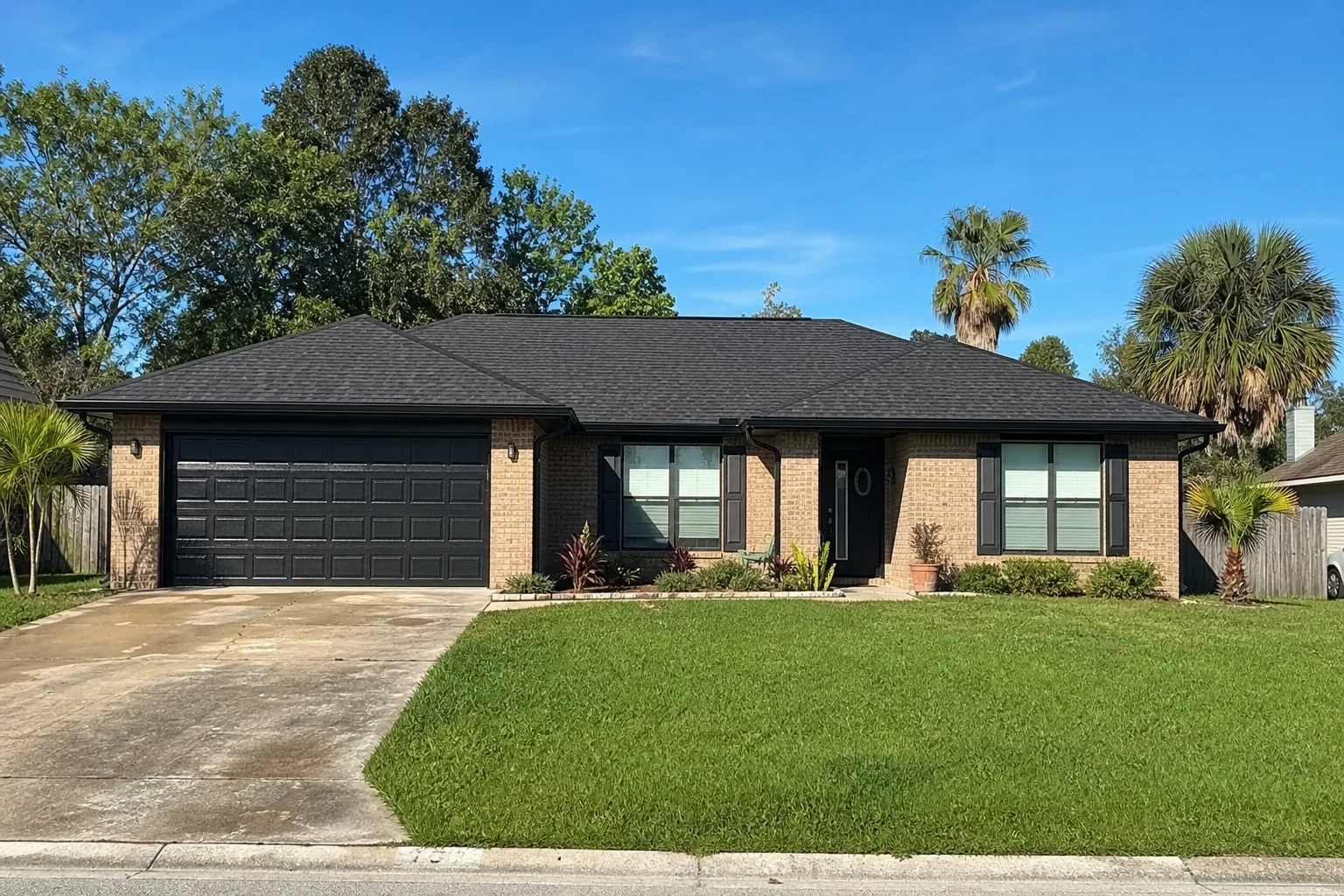
We will measure your roof, check the deck and walk you through panel and metal choices. Your estimate is free, with no obligation.