ServicesRoof Repair
Roof Repair in Fernandina Beach, Done Before Storm Season Tests It
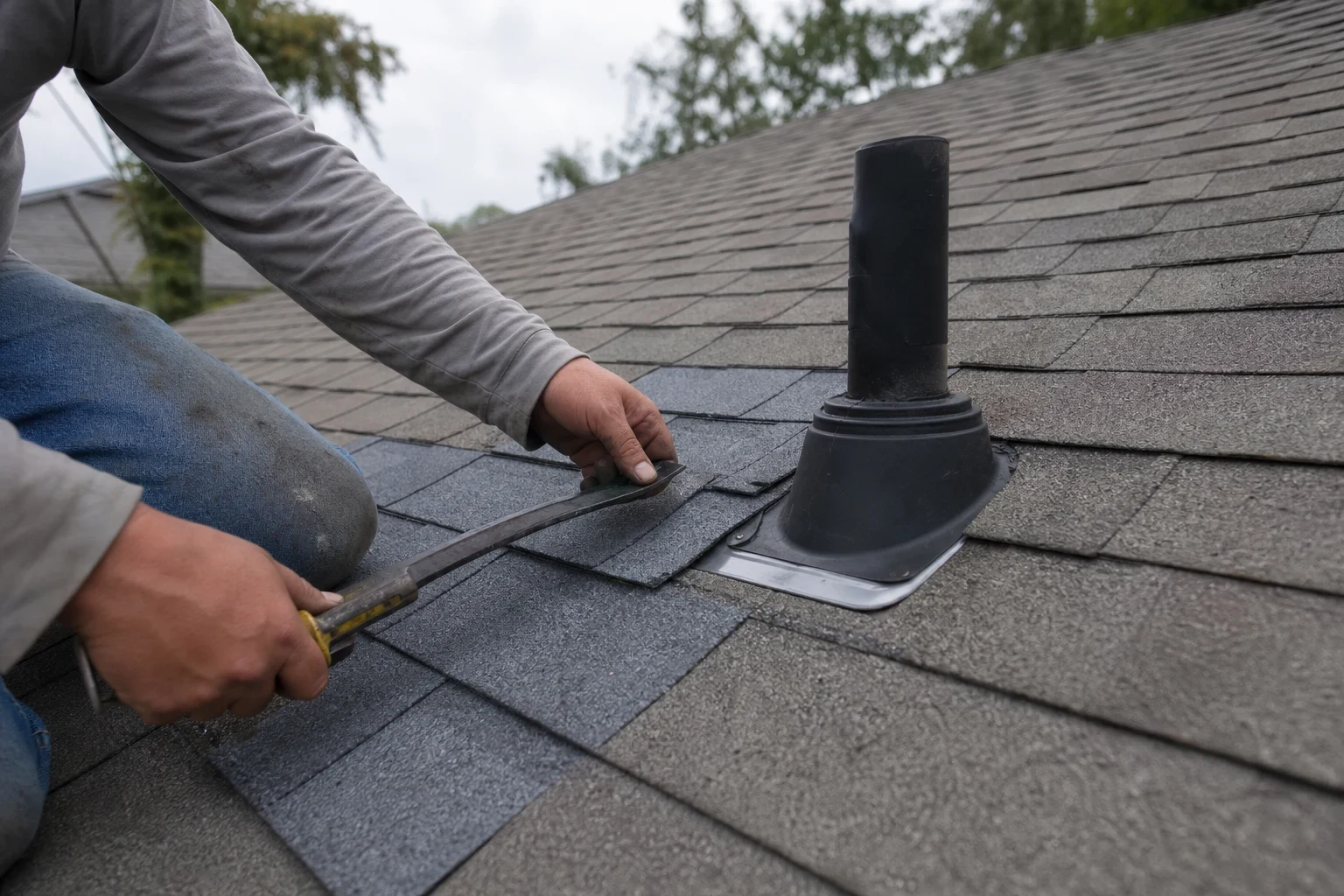
We find the exact part that failed, whether it's a cracked pipe boot, a lifted shingle tab or rusted flashing, and repair it with materials matched to your roof. The best time to fix it is before summer storms and hurricane season put real wind and water on it.
Repair or Replace: How We Decide
Most leaks begin at one weak point, not across the whole roof. That point is usually a neoprene pipe boot split by years of UV, a step flashing joint that has pulled away from a wall, or a few shingles whose sealant strip let go in a gusty afternoon storm. If the decking is sound and the shingles still carry their granules, fixing that one point costs less and takes less time than a new roof.
We also say so when a repair won't hold. When rot has spread through much of the plywood, or the shingles crack when bent and curl on every slope, a patch only shifts the leak a few feet over. In that case we lay out the reasoning and go over roof replacement with you instead.
Timing matters near the coast. Salt air corrodes exposed nail heads and flashing, and summer heat dries out sealants. We like to catch these small failures in spring, so the repair has set and cured before the first tropical system of the season arrives.
What Our Roof Repair Work Covers
Leak tracing
We follow the stain back through the attic and across the roof surface. Water often runs along a rafter or the top of the decking before it drips, so the spot on your ceiling is rarely under the actual entry point.
Shingle replacement
Wind-lifted or creased shingles are replaced, not glued back down. We hand-seal the new tabs with roofing cement so they hold until the factory strip seals in warm weather.
Flashing and pipe boots
Step flashing, chimney and wall counterflashing, and the rubber boots that seal around plumbing vents cause more leaks on the roofs we work on than anything else. Corroded metal and cracked boots get replaced with new pieces, not covered over with caulk.
Decking repair
If water has delaminated the plywood or OSB under the leak, we cut out the soft section and install new decking before shingling. Nails driven into soft wood will not hold a shingle in high wind.
Drip edge and ridge caps
Loose drip edge lets wind-driven rain wick under the first course. Cracked ridge caps open the very top of the roof. Both are short repairs when caught early.
Before-and-after photos
We photograph the damaged area when we arrive and again once the new materials are in place. That way you can check the work from the ground instead of a ladder.
Warning Signs a Repair Is Due
Water marks on the ceiling
A tan outline or blistered paint after a storm tells you water is reaching the drywall. Once it shows, the leak has usually been active for weeks.
Shingles in the yard
Missing tabs leave bare underlayment exposed to sun and rain. Underlayment is a backup layer and was never meant to be the weather surface for long.
Granules in the gutters
A heavy layer of sand-like grit means the shingles are losing their UV protection. The asphalt underneath starts to crack once it is exposed.
Rust streaks or lifted flashing
Orange stains below a vent or along a wall line point to corroding metal. Once flashing rusts through, water runs straight behind it.
A musty attic
Damp insulation or dark spots on the underside of the decking mean moisture is getting in or not venting out. Either one needs a look before mold spreads.
How a Repair Day Runs
- 1
Free inspection and estimate
We look at the roof and the attic, take photos and explain the cause. You get the price broken out line by line before any work is scheduled.
- 2
A date set around the weather
We pick a day with a dry forecast. Shingle sealants and roofing cement need warm, dry conditions to set properly, so in summer we plan around the afternoon thunderstorms.
- 3
The repair itself
Landscaping under the work area gets covered first. We pull the failed materials, inspect the plywood beneath for soft spots, and then lay fresh underlayment, flashing and shingles chosen to match your home's existing roof as closely as we can.
- 4
Cleanup and walk-through
Old shingles, flashing and cut decking leave in our trailer, not your trash bins. A rolling magnet goes over the lawn, beds and paved areas to pick up stray nails, and then we go through the photos with you.
What Affects the Cost of a Roof Repair
A repair is priced by what failed and what we find once the damaged materials come off. Your estimate is free and carries no obligation. If something changes after we open the roof, we stop and tell you before doing any extra work. Financing is available for larger repairs.
- Number of leak points
- One cracked pipe boot is a short job. Several failures across different slopes mean more setup, more materials and more hours.
- Pitch and access
- A steep roof, or one over a pool, porch or tight side yard, needs more safety rigging and takes longer to work safely.
- Decking condition
- Rotted plywood is the most common hidden cost. We can't see it until the shingles come up, which is why we photograph it and call you before replacing any.
- Material match
- Common architectural shingles are easy to source. Discontinued colors or older 3-tab styles may take extra time to find a close match.
- Permits
- Some roof repairs in Florida require a permit and inspection. When yours does, we pull it and include the fee in the estimate.
Roof Repair Questions
Something not covered here? (904) 709-7261
Can you patch the leak instead of replacing the whole roof?
In most cases, yes. If the leak comes from one failed part and the rest of the roof is in fair shape, a repair is the sensible choice. We only recommend replacement when the decking or shingles are worn across the roof, and we show you the photos that support it.
Will the repair match the rest of my roof?
We match shingle type, profile and color as closely as today's products allow. Next to shingles that have weathered for years, fresh ones often read a shade deeper at first because the old granules have faded. That contrast tends to even out within a season or two of sun.
Does homeowners insurance pay for roof repair?
A policy may cover damage from a specific storm, while age and ordinary wear usually fall outside it. When the damage is storm-related, we deal with your adjuster ourselves and hand over the photos from our inspection. Our Storm Damage Repair page explains how a claim moves from there.
How long does a typical repair take?
Most single-area repairs, such as a pipe boot or a few replaced shingles, take a few hours. Repairs that involve new decking or flashing along a wall can run a full day. We give you the expected time when we set the date.
When is the best time to schedule a repair?
Spring is ideal, before hurricane season opens in June and before the summer thunderstorm pattern sets in. A repair done then has time to seal fully before high winds arrive. That said, a known leak should be fixed whenever you find it.
How do I know the repair held?
Check the attic and the ceiling below the repair after the next hard rain. If anything looks off, let us know and we'll come back to look. For a fuller picture of your roof, a scheduled visit from our Roof Inspections service is a good next step.
Fix the Weak Spot Before the Next Storm Finds It
Tell us where you're seeing water or missing shingles, and we'll send a technician to find the cause. The estimate is free and comes with no obligation.