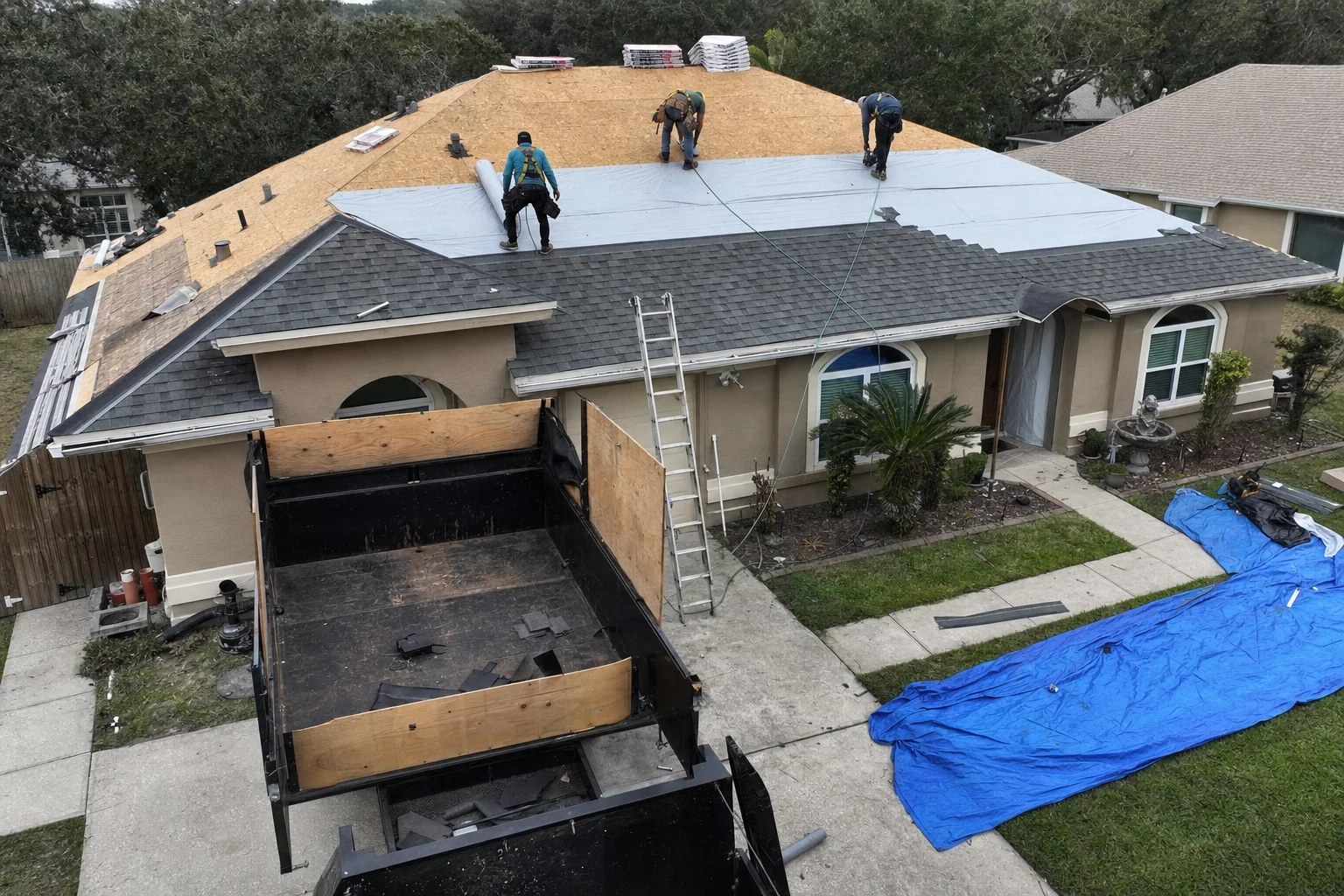
Fernandina Beach Roofing Prepared Ahead of Storm Season
We handle roof repair, roof replacement, inspections, storm damage repair, gutters and metal roofing for homes in Fernandina Beach, Yulee and nearby. We plan the work around the calendar, so loose flashing, tired fasteners and clogged drainage get fixed before the wet, windy months instead of during them.
- No-cost checks after storms
- No-obligation estimates
- Financing available
- Adjuster meetings on site
Roofing Services for Every Season
Roofing Fernandina Beach has been in business since 1995, and we are a James Hardie Preferred Contractor. Our work covers six areas: roof repair, roof replacement, roof inspections, storm damage repair, gutters and metal roofing. Every job starts with a look at the parts that actually keep water out of your home, from the shingles and underlayment to the pipe boots, valleys and drip edge, so the fix matches the cause.
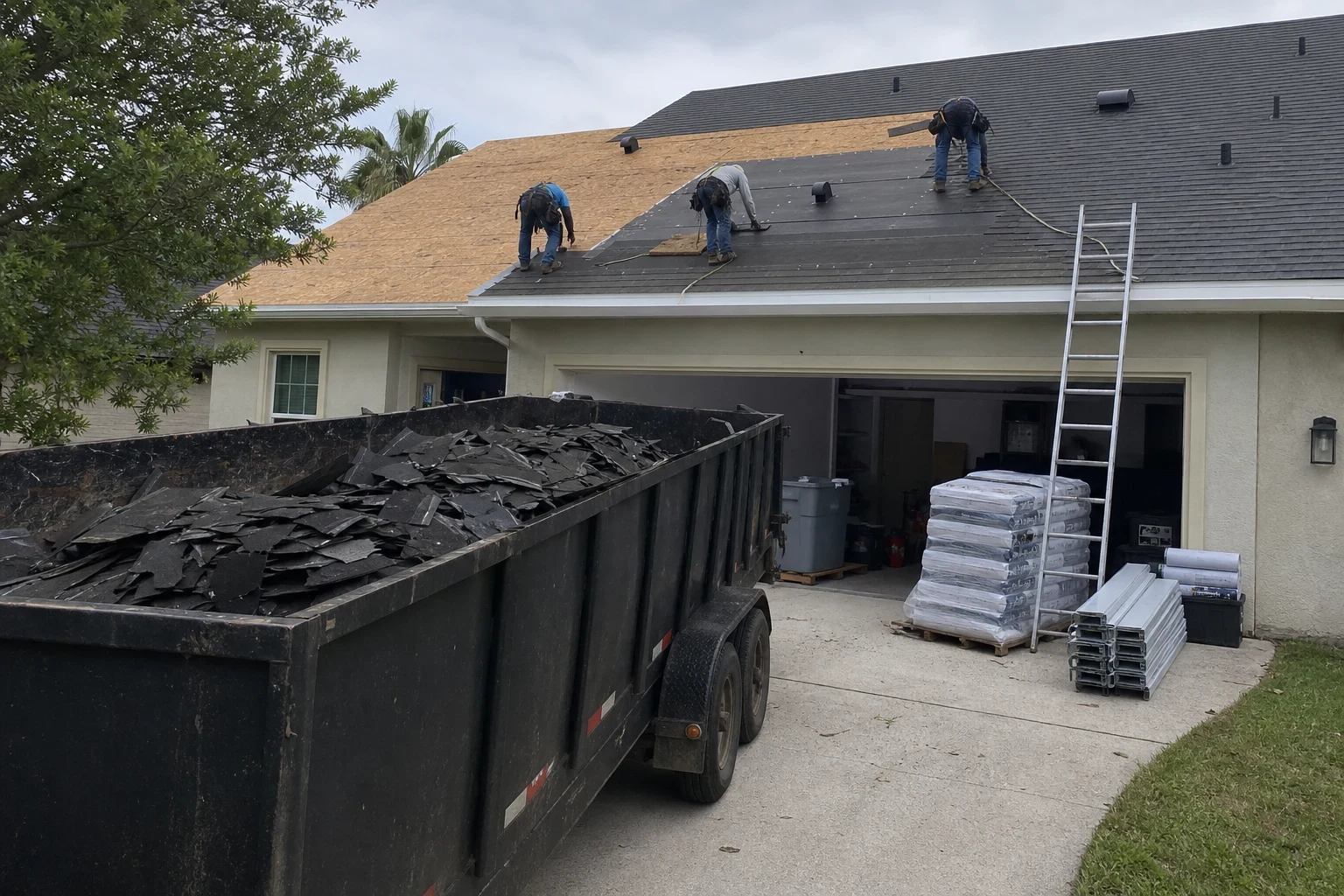
Roof Replacement
Full tear-off and new roof, deck to ridge, planned for the drier months so your home is sealed before the storm season starts.
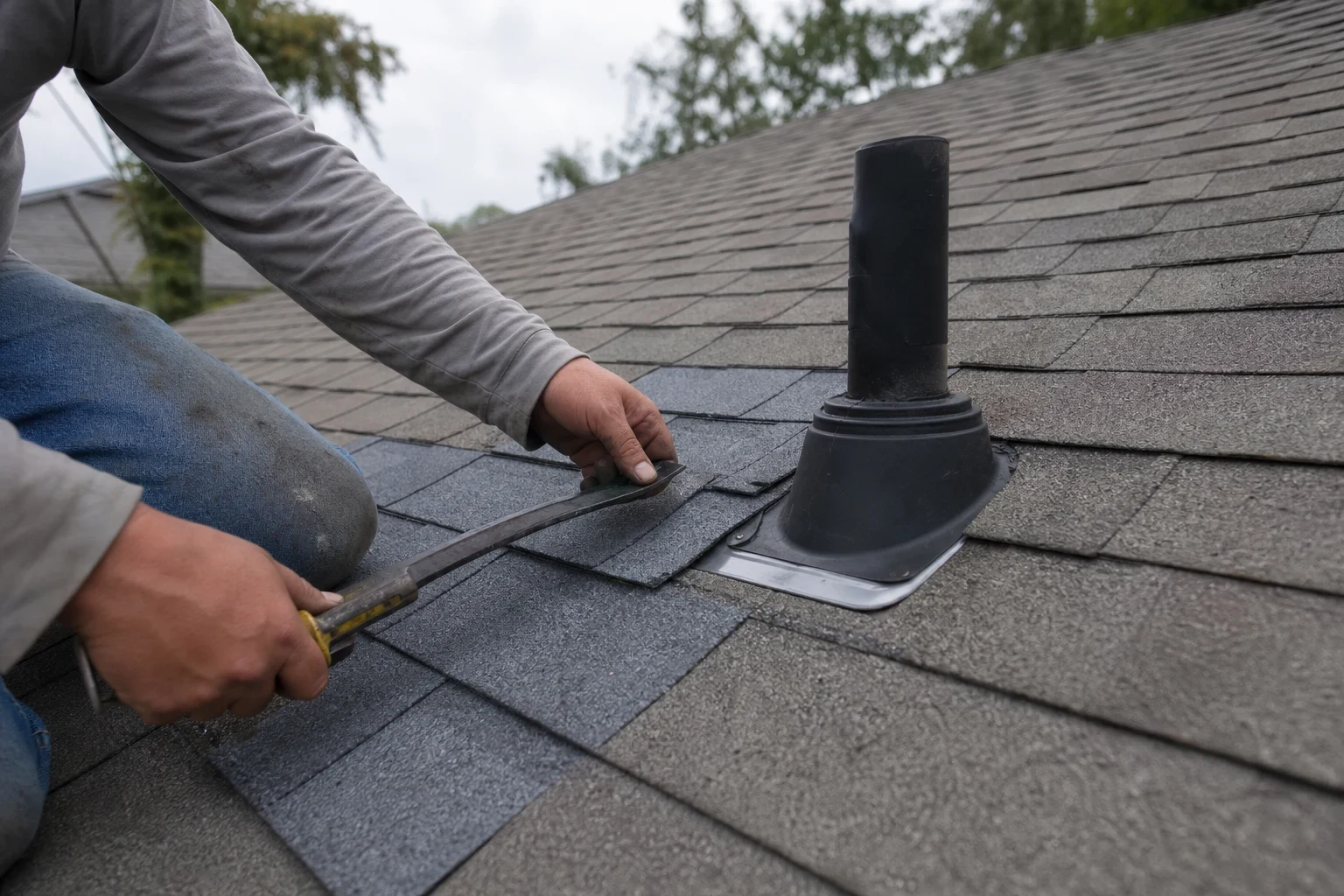
Roof Repair
We find the exact shingle, flashing joint or pipe boot that let water in and repair it before summer storms put it to the test.
Roof Inspections
A shingle-by-shingle and attic-side check of your roof, with photos and a written list of what needs work now and what can wait.
Storm Damage Repair
We find and fix wind, rain and debris damage to your roof, document it for your insurance adjuster, and seal it up before the next storm season.
Gutters
One-piece aluminum gutters, downspouts and guards, sized to your roof and hung on sound fascia so heavy summer rain drains away from your home.
Metal Roofing
Standing seam and exposed-fastener metal roofs with coastal-grade metal, high-temperature underlayment and trim formed to match, scheduled ahead of storm season.
What Drives the Cost of Roof Work
Two houses that match from the curb can still get very different prices. The number depends on what we measure and what turns up once we are on the roof. These factors carry the most weight.
Estimates are free and carry no obligation. You get yours after we have been up on the roof, itemized so every cost is easy to trace.
- Roof area and pitch
- Roofing is priced by the square, meaning 100 square feet of roof surface. On a steep pitch the crew moves slower, needs more safety equipment and spends longer carrying bundles, so every square costs more labor than on a low roof you can walk.
- The deck underneath
- Nobody sees the plywood or plank deck until the old roof is gone. Sheets that are soft or coming apart must be swapped out before underlayment goes on, and our inspection notes where we expect to find them.
- Shingles or metal
- Architectural asphalt shingles and standing seam metal carry different prices and hold up differently against salt air and strong wind. Metal costs more at the start, but its fasteners and finish last longer near the coast.
- Chimneys, vents and other openings
- Anything that breaks through the roof needs its own flashing, whether it is a chimney, a skylight, a plumbing stack or a lower roof butting into a wall. A simple gable with two vent pipes takes less time than a hip roof with dormers and a chimney.
- Permit and code work
- Florida requires a permit and inspection for a reroof, and the Florida Building Code spells out the nailing pattern, underlayment and edge metal for wind. Those details add material and labor, and they are what hold the roof down in a storm.
- Gutters and add-ons
- New gutters, downspout extensions and extra attic ventilation each get their own line, so you can say yes or no to each.
Why Homeowners Call Us Ahead of Storm Season
We have been in business since 1995 and hold James Hardie Preferred Contractor status. Here is what that means once we are on your roof.
- 01
Repairs booked before the storms
We move inspections and repairs into the quieter months, so your roof is closed up before the busy season. Resealing a lifted tab in April is much cheaper than replacing wet decking in September, and booking early gets you a firm date instead of a place on a storm waiting list.
- 02
We show you what broke
You hear exactly which part gave out and why. A split neoprene pipe boot, rusted drip edge or bare valley each call for a different fix, and our photos let you see it all from the ground.
- 03
A plain repair-or-replace answer
If a spot repair will keep your roof going for several more years, we offer that first and tell you the price. If the deck is soft or shingles have come unsealed across entire slopes, we explain why a patch would only last a season.
- 04
Working alongside your adjuster
Storm claims move more easily when the roofer and adjuster review the same evidence. On storm damage claims we deal directly with your insurance adjuster, meet them up on the roof and give them our photos and measurements. The adjuster still decides coverage; we make sure every creased tab and dented vent gets recorded.
- 05
Financing available
Roofs seldom wear out at a good time for your budget. Financing is available, and we can go over it on the phone or at your estimate visit.
Where We Work
Our home base is Fernandina Beach, and we also serve Yulee, Hilliard and Nassau Village-Ratliff. Across the state line we cover St. Marys and Kingsland, and to the south we work in Atlantic Beach, Neptune Beach and Jacksonville Beach. The same inspection process and written estimates apply in every town.
- Fernandina Beach
- Yulee
- St. Marys
- Kingsland
- Atlantic Beach
- Neptune Beach
- Nassau Village-Ratliff
- Jacksonville Beach
- Hilliard
If your home is near one of these towns and you are not sure we reach you, ask on the phone and we will tell you right away.
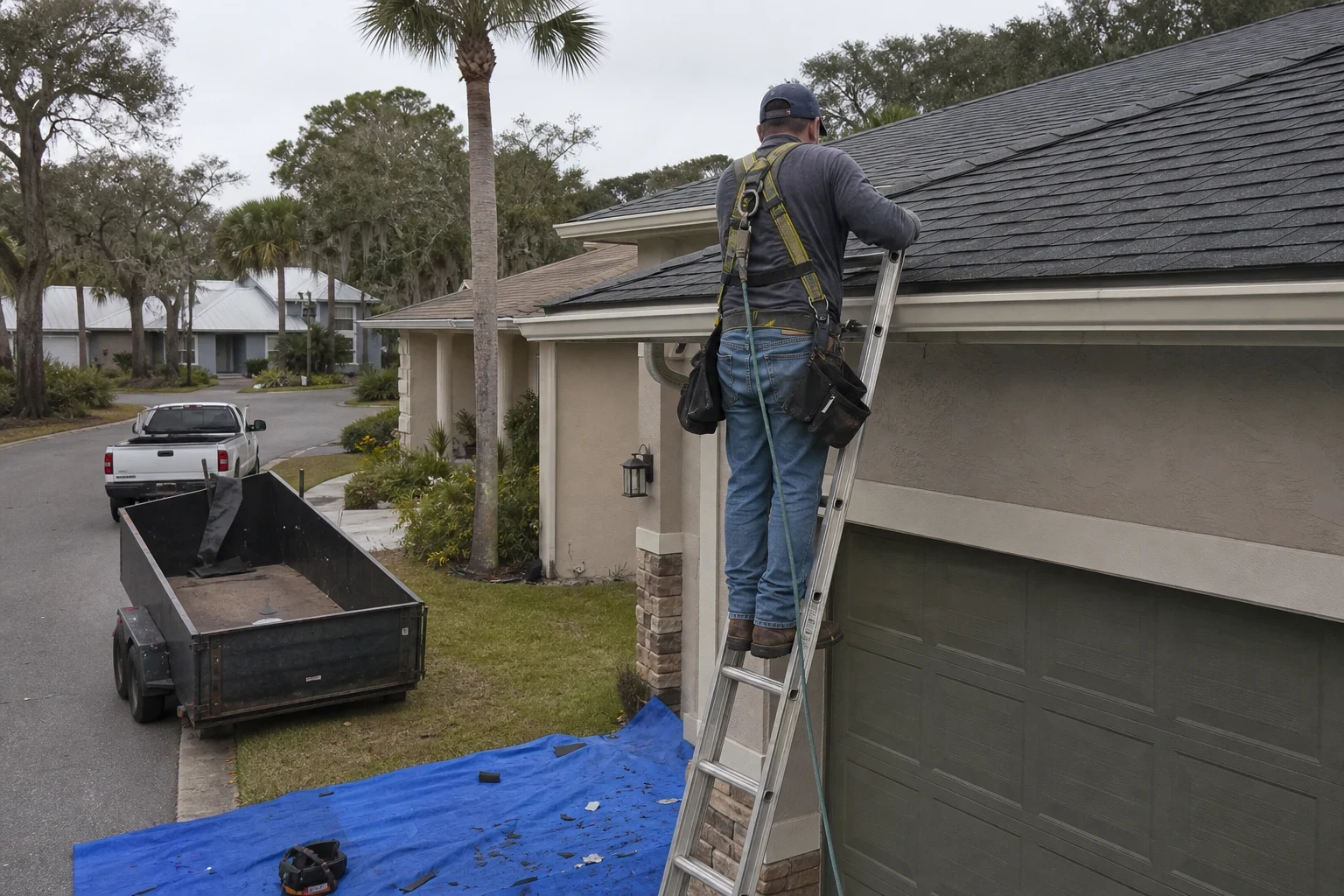
A Roofing Company That Plans Ahead
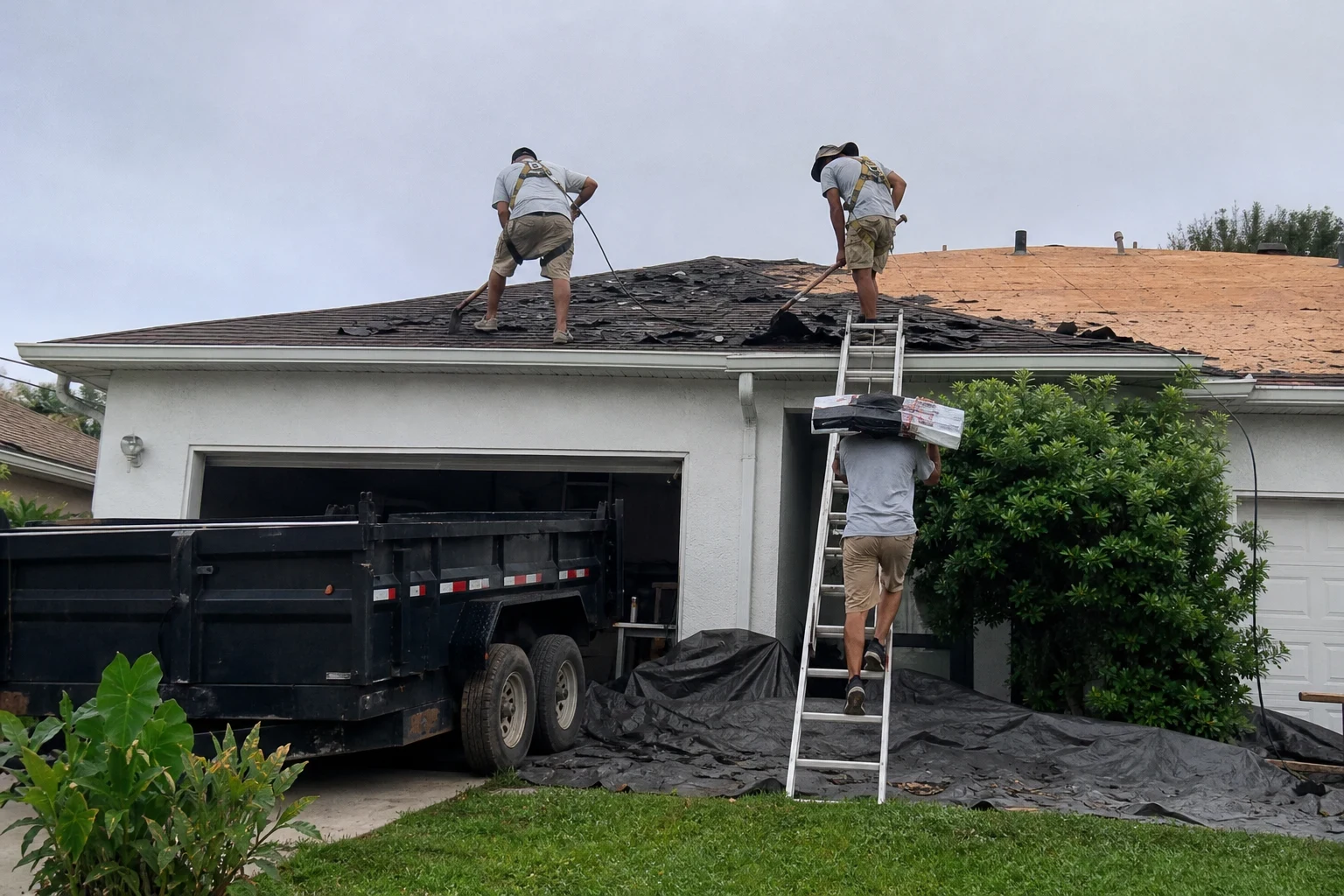
Most roof damage we see did not start in a storm. It started months earlier as a cracked vent boot, a loose ridge cap or a gutter packed with oak leaves, and the storm simply found it. That is why we put so much weight on getting roofs checked and fixed early in the year, when there is time to do the work properly.
We keep our explanations precise. If the issue is a backed-out nail lifting a shingle, we tell you that and show you. If the underlayment has dried out and the deck is taking on water, we explain how we know and what replacing it involves. You make the decision with the facts in front of you.
- In business
- In business since 1995
- Certifications
- James Hardie Preferred Contractor
Roofing Questions We Hear Most
When is the best time to schedule roof work?
Late winter through spring is ideal. Hurricane season starts June 1, and the months before it give us time to inspect, order materials, pull permits and finish the job in dry weather. Repairs found in a spring inspection are usually smaller and simpler than the ones found after a summer storm.
What happens during a free post-storm inspection?
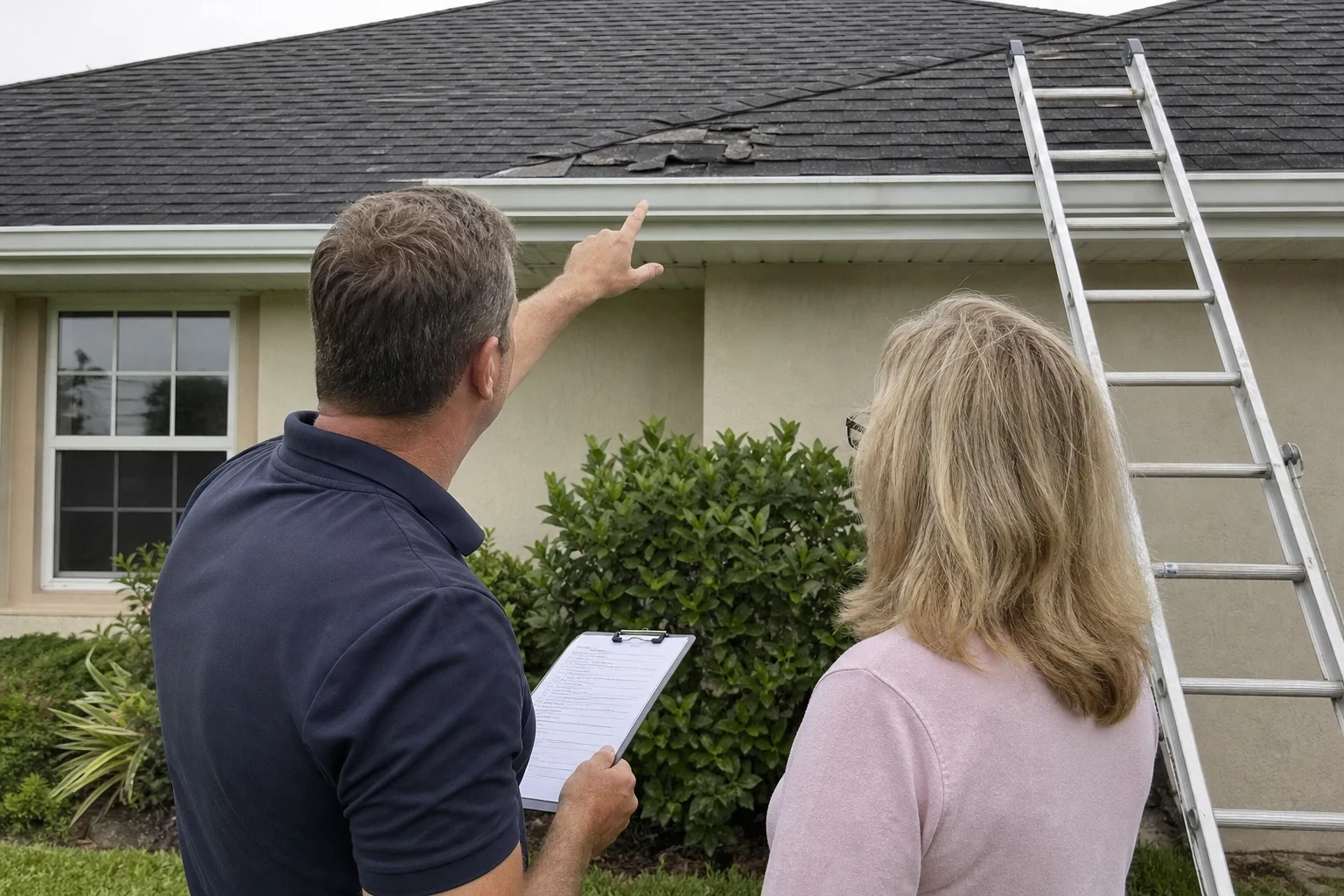
We check the roof for lifted or creased shingles, missing ridge caps, dented metal, torn flashing and debris damage, then look inside the attic for fresh moisture. You get photos of anything we find and a plain explanation of what it means. There is no cost and no obligation.
Can you help with my storm damage claim?
Yes. On storm damage claims, we coordinate straight with your insurance adjuster. We can meet them at your home, walk them to each damaged area and hand over our photos and measurements. The adjuster decides what the policy covers, and we explain each stage so nothing catches you off guard.
Do you offer a guarantee on new roofs?
Yes. We provide a no-leak guarantee on all new roof installations. Ask us on the call and we will go over exactly what it covers.
Should I repair my roof or replace it?
It depends on what is underneath. If the damage is limited to a few shingles, a pipe boot or a section of flashing, a repair usually makes sense. If the shingles have lost their seal across whole slopes or the decking is soft in several places, replacement is the better value, and we will show you why with photos.
Is metal roofing a good choice close to the coast?
It can be. Standing seam metal with concealed fasteners sheds wind-driven rain well and has no exposed screws to back out. Near salt air, the panel material and finish matter, and we will explain which options hold up and what they cost compared with shingles.
Can I finance a new roof?
Financing is available. We can explain the options during your free estimate so you can compare them before you commit to anything.
What Happens From Call to Cleanup
Every stage is laid out ahead of time, so you always know where the job stands and what is coming.
- 1
Call us and pick a visit time
Describe what caught your eye, such as a stain overhead, shingles gone from a slope or gutters overflowing. We book a technician for a time that fits your schedule.
- 2
A photographed inspection
The technician walks the roof, looks into the attic if it can be reached, and takes pictures of shingles, flashing, vents and gutters. Those same photos are what we plan from, and you get to see them.
- 3
Written estimate, then the permit
Your estimate comes in writing with each part of the job on its own line. After you sign off, we file for the permit and choose a start day when the forecast looks clear.
- 4
On the job and after it
Plants get covered, the driveway gets protected, and a magnet sweeper picks up nails before we leave each day. We only tear off what we can cover with fresh underlayment by evening, so an overnight shower never lands on open decking.
- 5
Walking the finished roof
When the permit inspector approves the work, we look over the new roof with you and point out the places, such as valleys and pipe boots, worth checking after a hard storm.
Get Your Roof Sorted Before the Next Storm
A short visit now can catch the small failures that turn into leaks later. We climb up, photograph every weak spot and hand you a free estimate with no obligation attached.